
The date is now locked in: Chancellor John Healey will deliver his first Autumn Budget on Wednesday 28 October 2026. It's a big moment politically Healey only took over as Chancellor in the summer reshuffle but for most of us, the real question is simpler. What does it actually mean for the money in our pockets, and what should we be doing with our shopping and spending between now and Budget day?
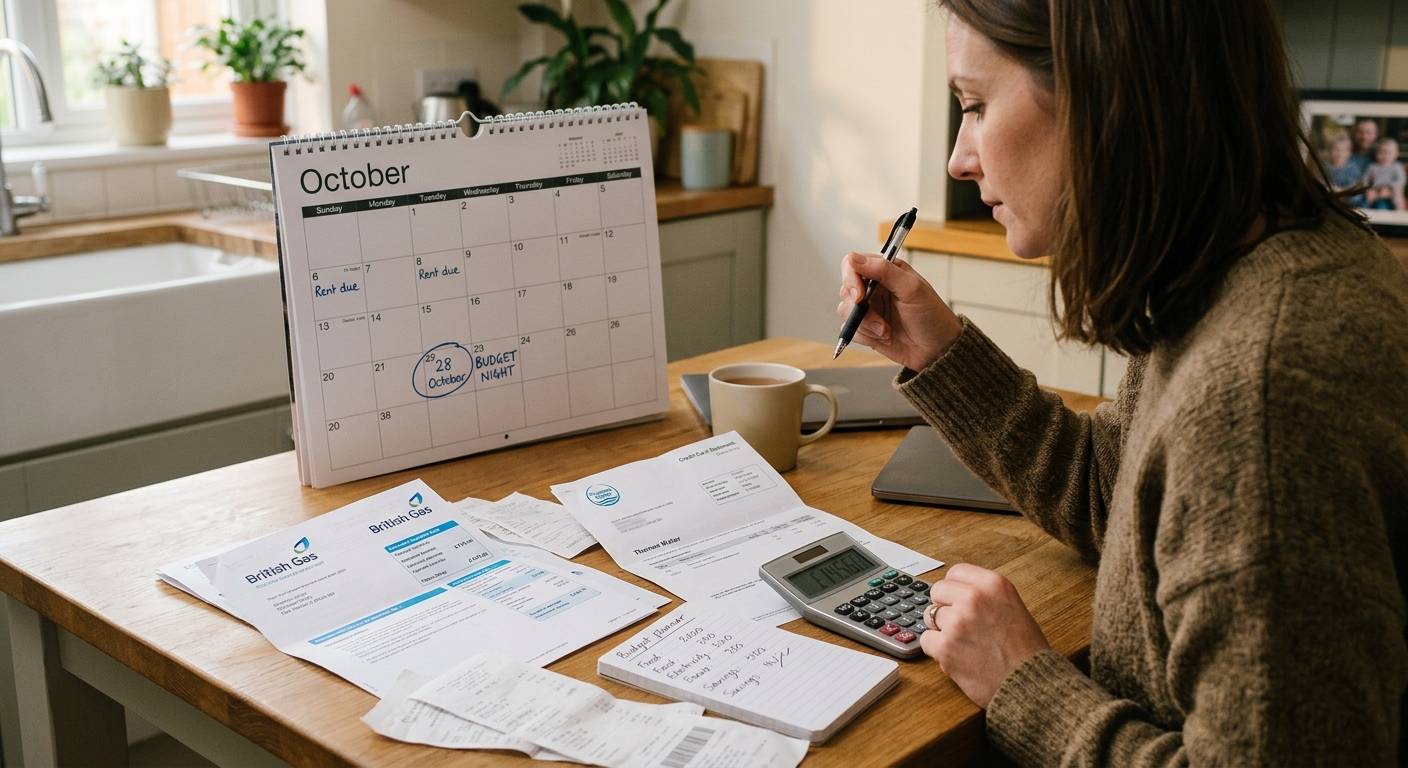
A handful of measures are already confirmed. A longer list is still speculation. And there are a few practical, low-risk things worth doing in the next eight weeks regardless of what the Chancellor announces. This guide separates the two, and points you toward the everyday savings that are worth acting on right now rather than waiting to see what happens on the day.
When is the Budget, and why is it getting so much attention?
Budget day is set for 28 October 2026, confirmed after being announced on 31 July. It's the first fiscal event under a new Chancellor, which tends to bring more speculation than usual, since there's no track record of past decisions to judge against. Add in an economy where the government has already signalled that "tough choices" are coming, and it's easy to see why searches around the Budget have been climbing steadily through September.
For PrimeVoucher readers, the Budget matters less as a political event and more as a household-finance one. A handful of the changes will land directly on bills most of us already pay — energy, transport, subscriptions, savings — while much of the rest is still genuinely unknown.
What's already confirmed
These aren't predictions. They've either been announced ahead of the Budget or are already working their way through into law, so you can plan around them with reasonable confidence.
Electricity bills: VAT removed from October
The government has confirmed it's removing VAT from domestic electricity bills, with the change landing this October. Independent estimates put the saving at somewhere around £45 for a typical household over the period it applies — not life-changing on its own, but a genuine reduction that lands automatically; there's nothing you need to do to claim it. Worth noting this doesn't offset the underlying cost of energy itself, which is a separate issue we've covered in our guide to saving money as energy bills rise — that piece is still relevant if you're looking at your wider energy spend, not just the VAT change.
Bus fares capped at £2 from January 2027
A £2 cap on single bus fares in England outside London is confirmed from January 2027, alongside an extended 50% rail discount for 18-year-olds using the 16-17 Saver railcard. If you're a regular bus user, or you've got a teenager who's about to age out of a discount railcard, it's worth knowing this is coming rather than assuming current fares are permanent.
Cash ISA rules changing from April 2027
This is one that's easy to miss because it doesn't land until spring 2027, but it's already confirmed policy, not speculation: reforms to cash ISA allowances take effect from 6 April 2027, alongside anti-circumvention rules designed to stop people gaming the new limits. If you hold, or are planning to open, a cash ISA, it's worth understanding the current allowance and using it while the existing rules still apply, rather than leaving decisions until the last few weeks before April.
Subscription "pretend prices" banned from January 2027
Anyone who's ever signed up to a "free trial" that quietly rolled into a full-price subscription will appreciate this one. New rules banning misleading subscription pricing and forcing simpler cancellation processes come into effect from January 2027. It's a genuinely consumer-friendly change, and one more reason to do a subscription audit now (streaming services, meal kits, apps, gym memberships) rather than waiting for the rules to force retailers' hands.
Smaller, targeted measures
A few other confirmed items round out the list: higher taxes on vape shops, business rate reductions for pubs and clubs, a new register for doorstep and online traders launching this September, and tighter regulation of bailiffs. None of these move the needle for most shoppers directly, but they're part of the same broader package and worth knowing about if they touch your own situation.
What's still just speculation
This is where it's worth being disciplined. Fuel duty, income tax thresholds, and further ISA-adjacent changes are all being discussed in the financial press, but none of these have been confirmed. Fuel duty in particular has been frozen or cut repeatedly over recent years, and speculation resurfaces every Budget cycle about whether it will finally rise. It might. It might not. Making a big purchase or life decision now based on a rumour that could easily not materialise is rarely a good idea — treat this list as "worth watching," not "worth acting on."
How to protect your budget between now and 28 October
You don't need to wait for Budget day to start saving money — and honestly, most of the meaningful savings available to you right now have nothing to do with the Budget at all.
Do a subscription audit this week. With the new rules on misleading pricing still over a year away, the responsibility to catch a subscription you no longer use or a trial that quietly converted is still on you. Fifteen minutes checking your bank statement against what you're actually using is likely to save more than most Budget announcements will.
Stack discount codes with cashback rather than choosing one or the other. If you're going to be buying anything in the run-up to Christmas regardless of what the Budget contains, our guide to stacking discount codes and cashback walks through how to combine both rather than leaving money on the table by using just one.
Time bigger purchases around the shopping calendar, not the Budget. Black Friday, Cyber Monday and the run-up to Christmas will do far more for the price of a new laptop or sofa than anything likely to be in this Budget. Our UK sales calendar for 2026 lays out exactly when the big shopping events fall this year, so you can plan around genuine discounts rather than guessing at policy outcomes.
Review your weekly shop before you review your tax code. For most households, the grocery bill moves more money each month than most Budget measures will. If you haven't checked recently, our supermarkets category is a good starting point for comparing where your regular shop could be cheaper, including Tesco offers that are often overlooked by shoppers who've been loyal to one store out of habit rather than checking prices.
Check your broadband and mobile contract. These are two of the most commonly overpaid household bills in the UK, often because a promotional price quietly expired months ago. Our broadband and mobile deals category is worth ten minutes of comparison, and providers like Virgin Media regularly run bundle deals that beat what many people are currently paying.
Should you buy big-ticket items before or after the Budget?
There's no confirmed measure in this Budget that would make waiting or rushing a big purchase worthwhile on its own. VAT on electricity is separate from VAT on goods, and no changes to general consumer VAT have been announced or seriously rumoured. The genuinely useful timing decisions for big purchases this autumn are the ones already on the shopping calendar — Black Friday in late November, and the January sales after that — rather than anything tied to Budget day itself. If you've been holding off on a big purchase specifically because of Budget speculation, it's probably safe to make your decision based on the sales calendar instead.
Frequently asked questions
When is the Autumn Budget 2026? Wednesday 28 October 2026. It was confirmed on 31 July 2026 and is Chancellor John Healey's first Budget since his appointment.
Will my energy bill definitely go down because of the Budget? VAT is being removed from domestic electricity bills from October, which is expected to save a typical household in the region of £45. This is separate from the wider cost of energy itself, which is set by the price cap rather than the Budget.
Are cash ISA rules changing straight away? No. The confirmed reforms to cash ISA allowances take effect from 6 April 2027, not immediately after the Budget. There's time to plan, but it's worth understanding the current rules before they change.
Is fuel duty definitely rising? No — this remains speculation, not a confirmed measure. It's been frozen or cut in previous Budgets and could go either way this time.
Should I delay Christmas shopping until after the Budget? There's no confirmed reason to. None of the announced measures affect general retail VAT or high street prices directly, so timing purchases around Black Friday and the wider UK sales calendar is likely to make more difference than waiting on Budget announcements.
The bottom line
Most of what's confirmed in this Budget is either small (VAT off electricity), delayed (the ISA changes, the bus fare cap, the subscription rules), or genuinely helpful without requiring any action from you. The bigger, more immediate savings available to UK shoppers right now sit outside the Budget entirely — in subscriptions nobody's reviewed, discount codes nobody's stacked with cashback, and grocery and broadband bills nobody's compared in months. Head over to PrimeVoucher's full list of UK stores to see where a voucher code could make more difference to your October than the Budget will.