
Shop prices in the UK just rose at their fastest annual rate in over two years. According to figures published on 1 September 2026 by the British Retail Consortium (BRC) and NielsenIQ, overall shop price inflation hit 1.5% year-on-year in August 2026 up sharply from 0.9% in July, and the highest level since February 2024.
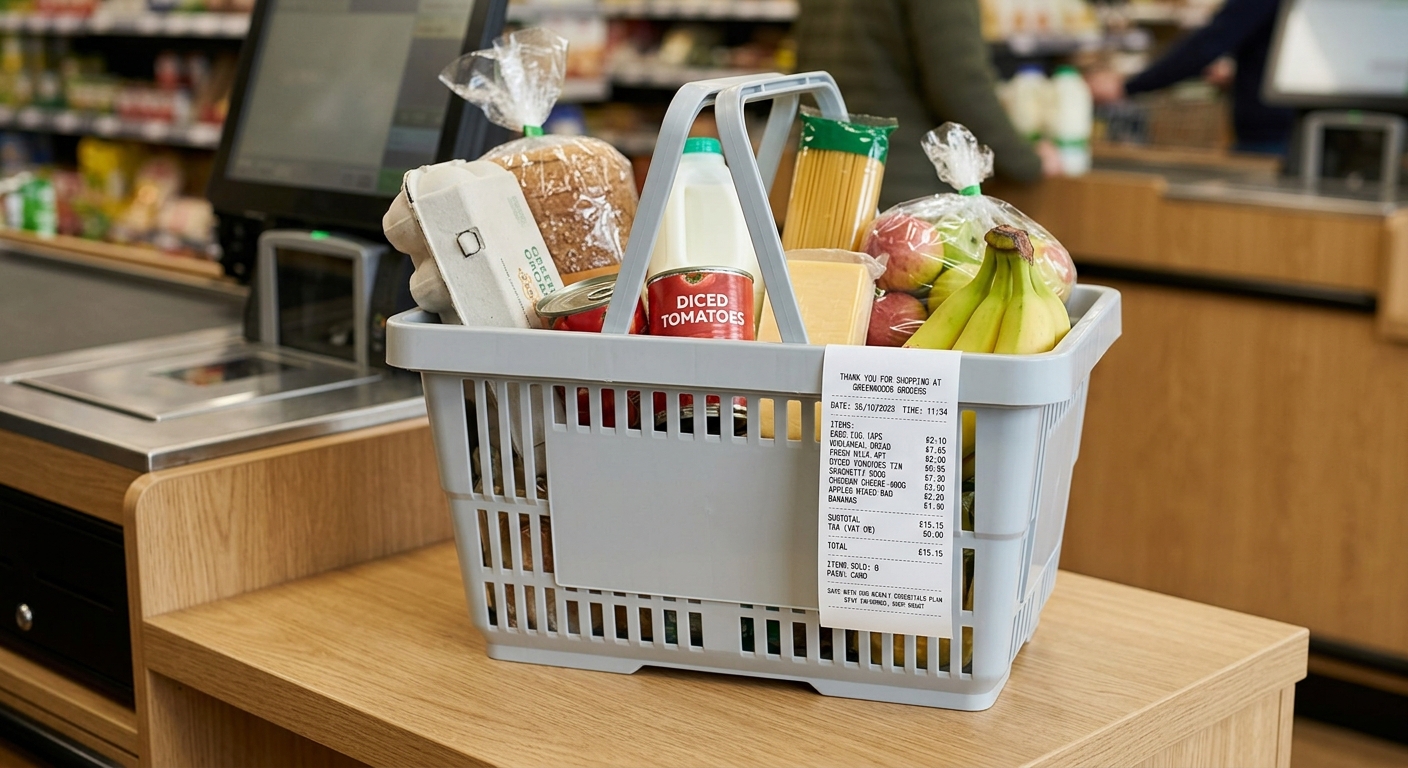
That might not sound dramatic on its own. But it lands at an awkward time: households are still adjusting to October's energy price cap rise, and the run-up to Christmas is exactly when spending tends to climb anyway. If you've noticed your weekly shop, or the price of a new laptop or kettle, creeping up recently, this data explains why — and there's a genuinely practical case for tightening up how you shop between now and the new year.
Here's what's actually happening, why it's happening, and what UK shoppers can do about it that goes beyond the usual "shop around" advice.
What the Latest Data Actually Shows
The BRC-NIQ Shop Price Index tracks prices across UK retailers every month and is one of the most closely watched measures of high street inflation, distinct from the Office for National Statistics' broader Consumer Prices Index. The August 2026 report found:
- Overall shop price inflation: 1.5% year-on-year, up from 0.9% in July — a jump of 0.6 percentage points in a single month
- Food inflation: 2.8% year-on-year, with fresh food rising 3% and ambient (tinned, packaged and long-life) food rising 2.5%
- Non-food inflation: 0.9% year-on-year, with technology and electrical goods highlighted as a category where prices are rising notably
Helen Dickinson, chief executive of the BRC, said shop price inflation had risen "to its highest level in over two years, albeit well below the headline Consumer Price Index," pointing to higher energy, input and commodity costs feeding through, particularly for imported and processed goods.
That last point matters. A lot of what's driving this isn't retailers being opportunistic — it's costs further up the supply chain (energy, raw materials, imported ingredients and components) landing on shelf prices with a delay. Retailers have also spent much of the past two years in an unusually intense price war to hold prices down, so this uptick suggests some of that cushioning is starting to wear thin.
Why a "Small" Rise Still Matters
1.5% doesn't sound like much next to the double-digit inflation UK shoppers lived through a few years ago. But two things make it worth paying attention to:
It's a direction change, not just a number. Prices accelerating from 0.9% to 1.5% in one month is the sharpest month-on-month jump the BRC-NIQ index has recorded in two years. If that trend continues into the run-up to Christmas — historically the biggest spending period of the year — the effect compounds.
It's stacking on top of other rising costs. This comes only weeks after Ofgem confirmed October's energy price cap rise, and household budgets don't reset between one cost pressure and the next — they absorb everything at once. A 1.5% rise on your total shopping isn't dramatic in isolation, but combined with a higher energy bill and the usual autumn/Christmas spending increase, it's a genuine reason to be more deliberate about where and how you buy things over the next few months.
The Categories Where It's Worth Paying Closest Attention
Not every category is moving at the same pace, and that's useful information for deciding where to focus your effort:
Fresh food (3%) is rising faster than packaged and long-life goods. This is the hardest category to plan around since fresh items don't keep, but it's also where loyalty pricing schemes and reduced-to-clear sections make the biggest relative difference.
Ambient and processed food (2.5%) is easier to plan for these are the items worth buying in bulk during a genuine promotion, since they don't spoil.
Technology and electricals (part of the 0.9% non-food rise) is worth flagging specifically because it's not a category people shop for weekly — most people buy a laptop, TV or kettle only when something breaks or a big event (a new school year, a house move, Christmas) prompts it. If prices are on an upward trend and you're planning a tech purchase in the next few months, timing it around a confirmed sales event rather than buying reactively becomes more valuable than usual.
Practical Ways to Save Between Now and Christmas
None of this means panic-buying or cutting things you actually need. It means being a bit more deliberate about how you spend money you were going to spend anyway.
Stack a discount code with cashback, not just one or the other
Most shoppers use either a voucher code or a cashback site, rarely both together, even though they usually don't conflict. Checking for a working code before checkout, then applying cashback through a browser extension or cashback portal on top, routinely knocks a meaningful amount off both everyday and one-off purchases. PrimeVoucher's guide to stacking discount codes and cashback walks through exactly how to do this without losing either discount.
Time bigger purchases around a confirmed sales date, not a guess
If technology, homeware or fashion prices are trending upward and you've got a purchase you can reasonably delay, doing so until a genuine sales event — rather than buying the moment you decide you want something is one of the simplest ways to offset rising prices. Black Friday, Cyber Monday and the January sales are all confirmed fixtures on the UK retail calendar; PrimeVoucher's UK sales calendar 2026 sets out exactly when each one falls this year and what's typically worth waiting for.
Use loyalty pricing where it exists
Schemes like Tesco Clubcard, Sainsbury's Nectar and Boots Advantage Card offer member-only pricing on selected items that sits below the standard shelf price — and with fresh food inflation running highest, that's exactly the category where loyalty pricing tends to help most. It costs nothing to sign up, and the saving is applied automatically at the till or online checkout once you're a member.
Don't let delivery charges quietly cancel out your saving
A discount on the product itself doesn't count for much if you then pay £4.99 for delivery. Checking for a free delivery threshold or code before checking out is a quick habit that's easy to skip when you're in a hurry — PrimeVoucher's guide to free delivery codes covers where to look and why codes sometimes fail to apply.
Check whether you're eligible for a scheme discount
NHS staff, students, teachers and armed forces personnel are all eligible for verified discount schemes with a wide range of UK retailers, and it's a saving a lot of eligible shoppers simply forget to claim. If any of those apply to you or someone in your household, it's worth five minutes checking NHS discount codes or student and teacher discount codes before your next order.
Compare before you commit, especially on tech
With electrical goods called out specifically in this month's data, it's worth checking prices across two or three retailers before buying rather than assuming the first price you see is competitive — particularly for anything over roughly £50, where even a modest percentage difference adds up to real money.
What to Watch Next
The BRC and NielsenIQ publish this index monthly, so the next reading — covering September 2026 — is expected around the start of October, shortly after the energy price cap rise takes effect. If food and non-food inflation both continue climbing into that report, it's a reasonable signal that the trend is more than a one-month blip, and worth factoring into Christmas budgeting a little earlier than usual this year.
In the meantime, the most useful thing UK shoppers can do isn't complicated: check for a genuine code and cashback together, use loyalty pricing where you already qualify, and time anything non-urgent around a real sales date rather than buying the moment you want it.
FAQ
What is shop price inflation and how is it measured? Shop price inflation, as tracked by the BRC-NIQ Shop Price Index, measures the year-on-year change in prices across UK retailers each month. It's a separate measure from the Office for National Statistics' Consumer Prices Index, which covers a broader basket of goods and services.
Why are UK shop prices going up right now? The BRC has pointed to higher energy, input and commodity costs feeding through to retail prices, particularly for imported and processed goods, alongside signs that the intense retailer price competition of the past couple of years may be starting to ease.
Are food prices rising faster than other products? Yes. Food inflation was 2.8% year-on-year in August 2026, with fresh food specifically at 3%, compared with 0.9% for non-food items overall — though some non-food categories, including technology and electricals, are seeing price rises worth noting.
How can I tell if a "sale" price is a genuine discount? Compare the current price against what the item has actually sold for over the past few weeks or months, not just the retailer's stated "was" price, which isn't always representative. Price-tracking tools and comparing across two or three retailers before buying are the most reliable checks.
What's the easiest way to save money on everyday shopping in the UK right now? Combining a genuine discount code with cashback on the same order, using loyalty pricing schemes you already qualify for, and timing bigger, non-urgent purchases around confirmed sales dates rather than buying on impulse are the three changes that make the biggest practical difference without requiring you to cut anything you actually need.
Ready to start saving? Browse PrimeVoucher's full list of UK stores for verified voucher codes and current deals across the retailers you already shop with.