
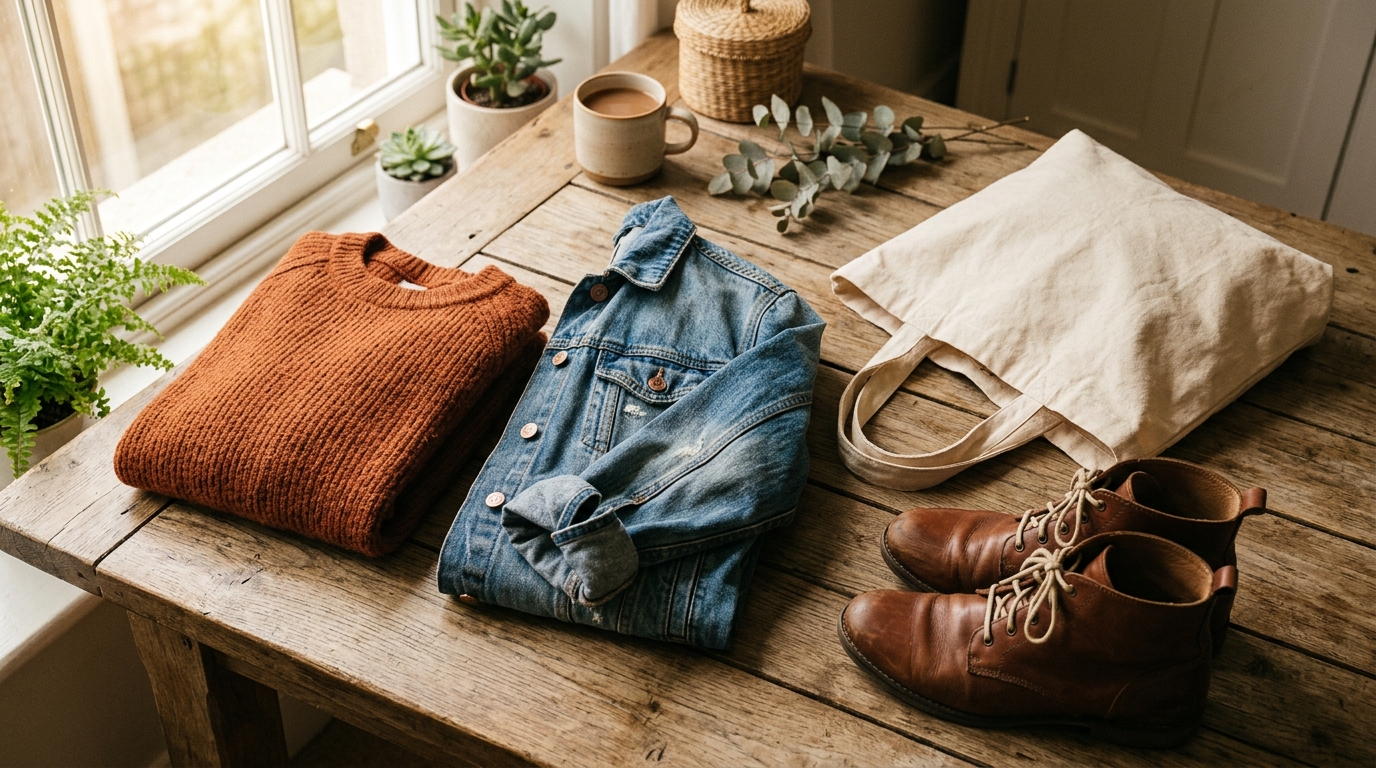
 Oxfam kicked off its Second Hand September campaign on 1 September 2026, fronted by actor Richard E. Grant, who has been telling anyone who'll listen that his career break came about while he was wearing a second-hand coat bought from an Oxfam shop. It's a nice story. But behind the campaign is a more useful question for anyone trying to make their money go further this autumn: is buying secondhand actually cheaper, or is that just something we tell ourselves?
The honest answer is: it depends where you're shopping and what you're shopping for. Some corners of the resale market are genuine bargains. Others have become so popular that prices have crept close to (or past) what you'd pay new in a sale. This guide breaks down where secondhand shopping in the UK actually saves you money right now, where it doesn't, and how to stack extra savings on top once you've found something worth buying.
What Second Hand September actually is
Second Hand September is Oxfam's annual campaign, running since 2019, encouraging shoppers to buy pre-loved instead of new for the month. This year's launch came with Oxfam's first "State of Style" report, and the numbers behind it explain why the campaign keeps growing: nearly half of Brits (49%) say they've bought second-hand goods, and 42% have sold their own unwanted items. The report also found that one in five UK consumers admit to simply throwing unwanted clothing in the bin rather than donating or reselling it — which Oxfam says wastes enough water, across the country's discarded clothes, to supply a million people for life.
Rachel Cosgrove-Pearce, Oxfam's Head of Retail Operations, put it plainly: "By donating clothes you no longer wear or choosing to shop second hand, you're helping reduce textile waste, support Oxfam's work and do something positive for the planet." That's the sustainability case. The money-saving case is just as strong, if you know where to look.
Why secondhand shopping is having a genuine moment
This isn't just a September marketing push. The UK's resale market has grown into something retailers now take seriously. Vinted is currently the UK's third-largest fashion retailer by some measures, sitting behind only Primark and Next, with 17.4 million UK users. Globally, Vinted's 2024 revenue hit €813.4 million (roughly £713.5 million), up 36% year-on-year, and the platform is reportedly on track to pass €1 billion in 2025.
Depop, owned by Etsy since a $1.6 billion acquisition in 2021, processed $788 million in gross merchandise sales in 2024 across 45 million registered users — 90% of them under 26. Traditional charity shops haven't been left behind either: charity shop sales rose 1.4% last year, outpacing the 1.1% growth seen across non-food retail more broadly, with some charities reporting even sharper December spikes as shoppers hunted for cheaper gifts.
The demand behind all this is straightforwardly financial. Oxfam's own research found affordability is the single biggest reason people buy secondhand (52%), ahead of sustainability (38%) and ethical concerns (28%). Among younger shoppers specifically, 59% of Gen Z and 56% of Millennials say they plan to spend more on secondhand items going forward.
Is buying secondhand actually cheaper?
This is where it gets more nuanced than the campaign messaging suggests.
Where you'll genuinely save
Charity shops remain the most reliable place to find real bargains, particularly for basics, homeware, books, and everyday clothing that isn't chasing a trend. Prices are generally set to move stock quickly and support the charity's cause, not to maximise resale value — so a £3 jumper really is a £3 jumper.
eBay auctions (as opposed to Buy It Now listings from resellers) can also produce genuine deals, especially for items in less "hyped" categories like homeware, tools, or out-of-season clothing where fewer bidders are competing.
Off-season and last-season items on any resale platform tend to be underpriced relative to demand, simply because sellers want space and buyers aren't actively searching for them yet — buying next year's winter coat in September, for instance, is when resale prices are at their softest.
Where secondhand isn't always a bargain
Vinted and Depop listings for currently trending items — a specific viral trainer, a discontinued handbag colourway, anything from a brand having a moment on TikTok — often sell for close to, or even above, retail price once you factor in buyer protection fees and postage. Popularity cuts both ways: the same demand that makes an item easy to resell also lets sellers charge more for it.
Designer and luxury resale is similarly mixed. A well-maintained handbag from a specialist reseller can represent real value compared with buying new, but it's worth comparing against current retail pricing and checking the platform's authentication process before assuming secondhand automatically means cheaper — with genuine luxury items, you're often paying for authentication and condition guarantees, not just a discount.
The practical takeaway: treat "secondhand" as a spectrum rather than a guarantee. Charity shops and off-season buys are close to a sure thing. Trending resale items need a quick price comparison against new before you commit.
The best places to shop secondhand this September
- Charity shops – still the best value for everyday basics, homeware, and books, and your money supports a cause directly.
- Vinted – strongest for everyday fashion at scale, with no seller fees, which tends to keep prices more reasonable than platforms that charge sellers commission.
- Depop – leans younger and more curated, good for vintage and statement pieces, though prices reflect the "discovery" element of browsing.
- eBay – best for auctions, homeware, electronics, and anything where you're happy to wait and bid rather than buy instantly.
- Specialist resale sites – for designer and luxury items specifically, a dedicated reseller such as The Luxury Closet authenticates pieces before sale, which matters more than saving an extra few pounds when you're spending three or four figures on a bag or watch.
If your goal this month is genuinely refreshing your wardrobe for less, browsing PrimeVoucher's Women's Fashion and Men's Fashion categories alongside your secondhand search is worth doing too — sometimes a voucher code on a new basic works out cheaper than a heavily-marked-up secondhand version of the same item.
How to stack savings when buying secondhand
Buying pre-loved doesn't mean you stop looking for extra savings — it just means applying them slightly differently:
- Compare before you commit. Quickly check the new retail price of anything you're about to buy secondhand for more than a few pounds. If a "bargain" resale listing is within 10–15% of a current sale price on the original retailer, the resale item may not be worth the compromise on condition or lack of returns.
- Watch postage and buyer protection fees. These can add several pounds to a Vinted or Depop purchase and are easy to overlook when comparing prices between listings — always check the total, not just the item price.
- Use cashback and vouchers for the gaps secondhand can't fill. Underwear, certain baby items, and anything you need in a specific new size or colour are often more sensibly bought new. That's where checking PrimeVoucher's current codes before you buy makes sense, rather than defaulting to full price.
- Time off-season purchases deliberately. If you're stocking up on winter coats, boots, or Christmas jumpers, September and October resale listings are typically cheaper than the same items in November and December, when demand (and prices) rise.
- Set a maximum price before you start browsing. Resale platforms are designed for endless scrolling, and it's easy to end up paying "secondhand plus a bit more" for several items rather than being genuinely selective.
Turning your own unwanted items into cash
Second Hand September works both ways. If you're one of the one in five people Oxfam found simply bin unwanted clothing, that's money (and genuinely usable stock) going to landfill for no reason. A few practical starting points:
- Sort by condition first. Genuinely worn-out items go to textile recycling banks rather than resale, so you're not wasting a buyer's time.
- Donate what won't sell easily. Basics, older styles, and anything without a clear resale niche are usually better donated to a charity shop than listed individually, where they'll actually get sold on rather than sit unsold for weeks.
- List distinctive or branded pieces yourself. Items with a recognisable brand name, good photos, and an honest description tend to sell fastest on Vinted or Depop — and since Vinted doesn't charge sellers a commission, what a buyer pays is close to what you receive.
- Be realistic on pricing. Checking what similar items have actually sold for (not just what's currently listed) gives a far more accurate price than guessing.
Decluttering this way turns Second Hand September into extra spending money for the exact same season you might be budgeting hardest around energy bills and autumn essentials — worth doing regardless of how you feel about the sustainability messaging.
FAQs
What is Second Hand September? Second Hand September is an annual Oxfam campaign, running since 2019, encouraging UK shoppers to buy and wear only secondhand clothing for the month of September, alongside donating unwanted items rather than throwing them away.
Is Vinted or Depop cheaper? Neither is consistently cheaper — it depends on the category. Vinted's larger, more everyday inventory and lack of seller fees tend to make basics and everyday fashion more competitively priced, while Depop's younger, more curated audience often pays a premium for vintage or trend-led pieces.
Is it worth buying designer items secondhand? Often yes, provided you buy from a platform or specialist reseller that authenticates items, since counterfeit risk is the main downside of unregulated secondhand luxury shopping. Compare the resale price against current retail pricing rather than assuming secondhand always means a discount.
Can you get discount codes on secondhand marketplaces? Marketplaces like Vinted and Depop don't typically run voucher codes in the way retailers do, since sellers set individual prices. Where discount codes make the most difference is on new items you're buying alongside your secondhand finds, or on delivery and protection fees on some platforms.
Are charity shop clothes clean and safe to buy? Reputable UK charity shops such as Oxfam clean and inspect donated clothing before it goes on sale, and most shoppers wash secondhand clothing again themselves before wearing it, exactly as they would with new clothing.
If you're building out your fashion budget for the rest of autumn, it's also worth reading PrimeVoucher's guide to shop prices rising at their fastest rate in two years and our Autumn/Winter 2026 fashion trends guide for ways to get this season's key pieces without overspending. And for everything else on your list this month, browse the full range of UK stores on PrimeVoucher before you buy anything new.